Six metabolites. One linear pathway. Tap to drop each into the next slot until the chain reads Acetyl-CoA → cholesterol. Statins hit step 2 · once you order it, you own the drug target.
Drop Bank (tap to place into next slot)
From the Attending
Two enzymes the clinical medicine demand: HMG-CoA reductase (rate-limiting, statin target, between HMG-CoA and mevalonate) and squalene epoxidase (terbinafine target). Everything else is choreography. Order the chain once and the drug map writes itself.
The Opening Challenge
A 42-year-old man with a strong family history of heart disease has a total cholesterol of 310 mg/dL. He is started on atorvastatin. Four weeks later, his LDL has dropped 45%. The PRIMARY mechanism behind this LDL reduction is:
A. Statins directly destroy LDL particles in the bloodstream
B. Less hepatic cholesterol forces the liver to upregulate LDL receptors, pulling LDL from blood
C. Statins activate HDL to transfer cholesterol to bile
D. Statins inhibit dietary cholesterol absorption in the gut
This is the classic trap. People say "statins lower LDL." True. But HOW? The liver is the key. Understanding why LDL drops requires you to trace the chain from enzyme inhibition all the way to receptor upregulation. That chain is what this page builds.
Key Insight
Your liver wakes up at 8 PM to build cholesterol. Statins shut the factory gate. The hungry liver hangs up more WANTED posters (LDL receptors) to grab cholesterol from the blood. LDL drops not because it was destroyed, but because it was recruited.
Memory Hooks · Tap to unblur. The dumber the hook, the better it sticks.
🏭
The Night Shift Factory
Liver makes cholesterol at night. Statins are the pink slip. Fire HMG-CoA reductase, the factory shuts. Hungry liver posts WANTED posters (LDL receptors). LDL gets pulled off the street.
tap to reveal
💊
Statin Side Effect Logic
Statins block mevalonate. Mevalonate also makes CoQ10. No CoQ10 = no electron shuttle in muscle mitochondria = ATP failure = myopathy. One block, two bills.
tap to reveal
🚪
PCSK9 = The Bouncer
PCSK9 drags LDL receptors to the trash. Block PCSK9, receptors survive, more LDL cleared. PCSK9 inhibitors are the bouncer's bouncer.
tap to reveal
Section 2
The Synthesis Pathway
Cholesterol synthesis runs on acetyl-CoA. Three steps get you to HMG-CoA, then one committed step gets you to cholesterol. Hover each node for detail. The rate-limiting enzyme is HMG-CoA reductaseThink of this as the factory manager of cholesterol production in the liver. Statins are the layoff notice. No manager, no output, LDL drops., the statin target.
2x Acetyl-CoA
Starting material (from glycolysis, FA oxidation, AA catabolism)
Acetyl-CoA
All carbon in cholesterol comes from acetyl-CoA. Two-carbon units. Comes from: pyruvate decarboxylation, fatty acid oxidation, ketogenic amino acids.
Thiolase
Acetoacetyl-CoA
4-carbon intermediate
Acetoacetyl-CoA
Two acetyl-CoA units condensed together. This is also the precursor to ketone bodies when glucose is scarce. Dual-use intermediate.
HMG-CoA Synthase
HMG-CoA
3-Hydroxy-3-Methylglutaryl-CoA
HMG-CoA
The SUBSTRATE for the rate-limiting enzyme. Also the substrate for ketogenesis in mitochondria (but this pathway is in the cytoplasm). Two different HMG-CoA synthases in different compartments.
HMG-CoA Reductase
[Rate-Limiting]
Mevalonate
The committed step: no going back
HMG-CoA → Mevalonate
This is where statins hit. NADPH consumed. Two-step reduction. Once mevalonate is made, cholesterol synthesis is committed. Also produces CoQ10 and dolichol (statin side effect: CoQ depletion).
Multiple steps (squalene, lanosterol...)
Cholesterol
27-carbon sterol. Membrane component. Precursor to everything.
Cholesterol
End product. Most active synthesis at 8 PM. Feeds into 5 fates (see next section). Its presence allosterically inhibits HMG-CoA Reductase (negative feedback).
Compartment Note
HMG-CoA Synthase and HMG-CoA Reductase are cytoplasmic. In the mitochondria, there is a different HMG-CoA Synthase that feeds ketogenesis. Same molecule, different location, different fate. The CYTOPLASMIC version makes cholesterol. The MITOCHONDRIAL version makes ketones.
Enzyme Control at the Rate-Limiting Step
HMG-CoA Reductase is the master switch. It runs on a timer and responds to feedback:
↗ Upregulated by
Low cholesterol activates SREBP-2, which increases transcription of HMG-CoA Reductase. Insulin dephosphorylates/activates it. AMPK (fasting/exercise) phosphorylates/inactivates it.
Regulation is transcriptional (SREBP-2) + post-translational (AMPK). Not allosteric by substrate.
Classic negative feedback loop. Eats a steak, liver slows synthesis.
⏰ Circadian Peak
HMG-CoA Reductase is most active at 8 PM. That's why statins given at night work better (except atorvastatin/rosuvastatin, which have long half-lives).
Take simvastatin/pravastatin at bedtime for maximal effect.
From the Attending
The pathway has one bottleneck and one therapeutic chokepoint · HMG-CoA reductase. It turns HMG-CoA into mevalonate, which becomes IPP, then farnesyl, then squalene, then cholesterol. Statins block this step; cell senses low intracellular cholesterol → upregulates LDL receptors → pulls more LDL out of plasma. That's the whole reason statins lower LDL · it's not direct, it's by receptor upregulation. The pathway also feeds 5 fates · cholesterol, bile acids, steroid hormones, vitamin D, and ubiquinone. Block reductase → you can affect all five (rare myopathy from CoQ10 depletion is the clinical medicine lore).
Section 3
Cholesterol Regulation & 5 Fates
Once synthesized, cholesterol has five places to go. Click each card to expand the detail.
CHOLESTEROL
🏭
Cell Membranes
Cholesterol inserts into phospholipid bilayers to modulate fluidity and rigidity. It fills gaps between saturated fatty acid tails. Without enough cholesterol, membranes become too fluid and leaky. The body protects membrane integrity above all else.
💊
Bile Acids
In the liver, cholesterol is converted to bile acids (cholic acid, chenodeoxycholic acid). Conjugated with glycine or taurine to form bile salts. Stored in the gallbladder, released into the duodenum to emulsify dietary fats. Bile acid sequestrantsLike a sponge soaking up bile in your intestine. Less bile returning to liver forces the liver to make more from cholesterol, drawing cholesterol down and lowering LDL. (cholestyramine) trap bile acids in the gut, forcing the liver to use more cholesterol to make new ones → lowers LDL.
💜
Steroid Hormones
Cholesterol is the precursor to ALL steroid hormones: cortisol, aldosterone, testosterone, estrogen, progesterone. Adrenal cortex, gonads, placenta. The side chain is cleaved to produce pregnenolone, then enzymatic divergence creates the full steroid family.
☀️
Vitamin D
7-dehydrocholesterol (a cholesterol derivative in skin) is converted to vitamin D3 by UV radiation. Then hydroxylated to 25-OH-D3 in the liver, then 1,25-OH-D3 (calcitriol) in the kidney. The kidneys make the active form. Liver disease and kidney disease both impair vitamin D activation at different steps.
🚚
Lipoprotein Export
Excess hepatic cholesterol is packaged into VLDL (very low density lipoprotein, 95% triglycerides) and secreted into blood. VLDL → IDL → LDL as triglycerides are stripped away. LDL delivers cholesterol to peripheral tissues via the LDL receptor (LDLR), which recognizes apoB-100. LDL is taken up by clathrin-coated pits.
Section 4
Lipoprotein Transport
Fat doesn't dissolve in blood. Lipoproteins are the delivery trucks. Know your vehicles, their cargo, and their route.
Lipoprotein
Origin
Primary Cargo
Key Apolipoprotein
Function
Chylomicron
GI tract (intestine)
Dietary triglycerides (85-88%)
ApoB-48, ApoE, ApoCII
Delivers dietary fat to peripheral tissues via lipoprotein lipase
VLDL
Liver
Triglycerides (~95%)
ApoB-100, ApoCII, ApoE
Delivers hepatic TGs to peripheral tissues; becomes IDL then LDL
IDL
VLDL remnant
Cholesterol + TGs
ApoB-100, ApoE
Intermediate; taken up by liver or converted to LDL
LDL
IDL (VLDL remnant)
Cholesterol (~50%)
ApoB-100 only
Delivers cholesterol to peripheral cells; taken up by LDLR via clathrin pits
LDL circulates carrying ApoB-100. Cells needing cholesterol express the LDL Receptor (LDLR). When LDL-ApoB-100 binds LDLR, the complex clusters in clathrin-coated pitsClathrin is a cage protein that pinches off membrane vesicles. LDL-receptor complexes cluster in these coated pits, get pinched inward, and delivered to lysosomes for degradation. Classic receptor-mediated endocytosis. and is endocytosed. Inside the lysosome, LDL is degraded; cholesterol is released for use. The receptor recycles back to the surface.
Clathrin pits = marker for LDL receptor activity
HDL: Reverse Transport
HDL scavenges cholesterol from peripheral tissues and arterial plaques. Delivers it back to the liver (reverse cholesterol transport). ApoA-I activates LCAT to esterify cholesterol. High HDL = protective.
Think of HDL as the cleanup crew after the LDL delivery trucks have dumped their load.
Lipoprotein Mnemonic
"Chylomicrons Come From Gut" = gut origin.
LDL = "Lousy" cholesterol. HDL = "Healthy" cholesterol.
ApoB-100 is on VLDL, IDL, and LDL. ApoB-48 is on chylomicrons only. ApoB-100 is the LDL receptor's address label.
From the Attending
Lipoprotein math, simplified. Chylomicrons = dietary TG, from gut (ApoB-48). VLDL = liver TG export. IDL = VLDL with TG removed. LDL = cholesterol delivery to peripheral tissue (ApoB-100 docks to LDL receptor). HDL = reverse cholesterol transport from periphery to liver (ApoA-I). LPL on capillary endothelium chews TG off chylo and VLDL; Hepatic lipase finishes the VLDL → IDL → LDL conversion. Familial hypercholesterolemia = broken LDL receptor → LDL can't get into cells → piles in plasma → xanthomas, tendon thickening, early MI.
Section 5
Statins: The Statin Simulator
Statins are competitive inhibitors of HMG-CoA Reductase. Use the simulator below to see the cascade of effects as you increase statin dose.
⚙️ Statin Simulator
Adjust dose or select a statin to see real-time changes in hepatic synthesis, LDL receptor expression, and serum LDL. This models the pharmacodynamic cascade.
Select Statin
Dose Intensity: 0%
HMG-CoA Reductase Activity
100%
LDL Receptors (liver)
50%
Serum LDL
HIGH
Baseline: No statin. HMG-CoA reductase running at full capacity. Liver has minimal incentive to upregulate LDL receptors.
Statin Reference Table
Statin
Key Board Fact
Route of Excretion
Potency
Simvastatin
Mortality benefit in diabetes
Hepatic/fecal
Moderate
Atorvastatin
First-line for males with family history; long half-life, take any time
Hepatic/fecal
High
Pravastatin
Renal excretion: use in liver disease; fewer drug interactions
Renal
Moderate
Rosuvastatin
Most potent; largest LDL reduction; take any time
Hepatic/fecal
Very High
Statin Side Effects: The Chain
Q
Why do statins cause myopathy?
A
Statins block the mevalonateThe toll booth on the cholesterol highway. Statins block the enzyme that makes mevalonate, so everything downstream (cholesterol, CoQ10, dolichol) stops. One block, multiple consequences. pathway, which also produces Coenzyme Q10 (CoQ10), a critical electron carrier in the mitochondrial ETC. No CoQ10 = disrupted ATP production in muscle cells = myopathy.
Q
Patient on atorvastatin presents with muscle pain and weakness. What do you check first?
A
CPK (creatine phosphokinase). If CPK >10x upper limit of normal, start CoQ10 supplementation. If myoglobin is elevated, think rhabdomyolysis (acute renal failure risk).
Q
What about liver toxicity from statins?
A
If LFTs are >3x normal: start CoQ10. If no improvement, stop the statin. LFTs 3x normal is the threshold. Not "any elevation." 3x is the number.
Side Effect Protocol
Myopathy pathway: Statin → block mevalonate → no CoQ10Coenzyme Q10 (ubiquinone) is an electron shuttle in the mitochondrial ETC. It lives in the inner mitochondrial membrane and passes electrons from Complex I/II to Complex III. Without it, muscles cannot make ATP efficiently, which is why statins cause myopathy. → ETC failure in muscle → myositis (check CPK) → rhabdomyolysis if severe (check myoglobin → renal failure risk)
Hepatitis: LFTs >3x → add CoQ10. If no change → stop statin.
Hypercholesterolemia shows up on the body before it shows up on angiography. Know the external signs.
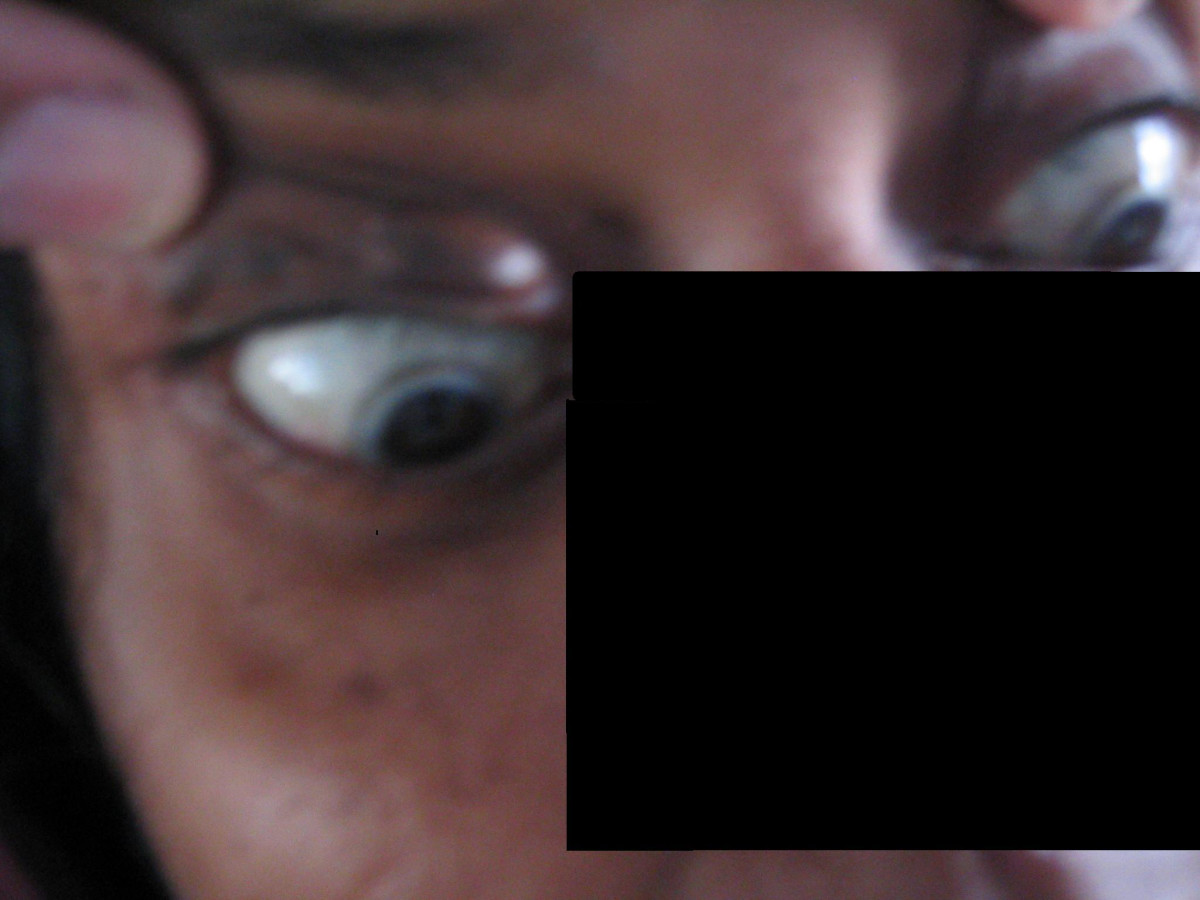
Corneal Arcus (18 yo)
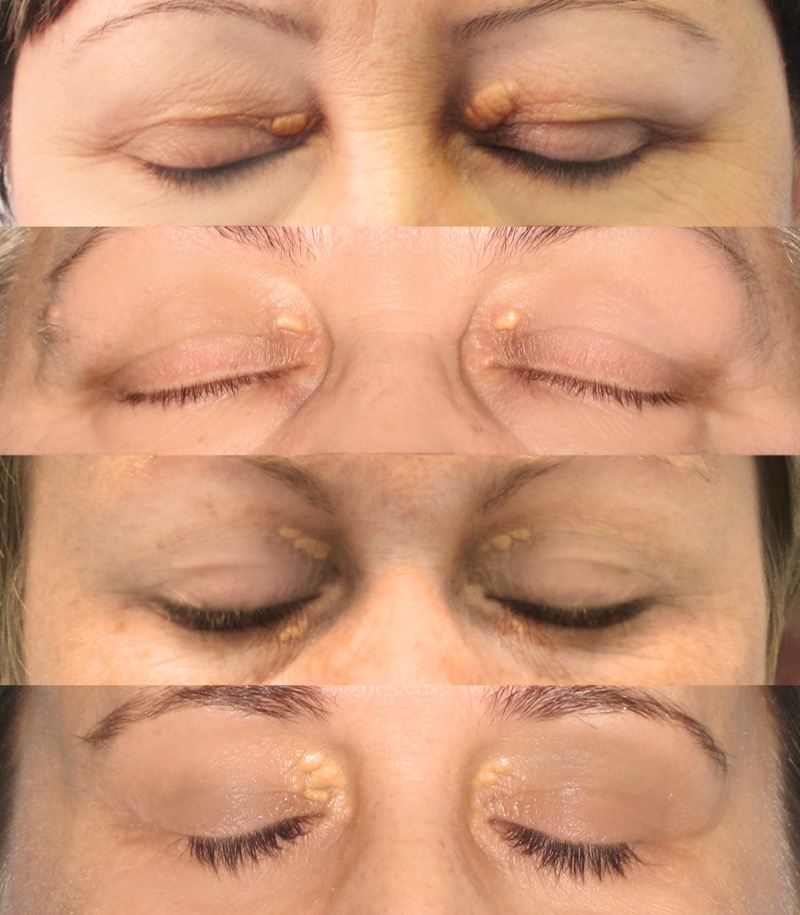
Xanthelasma
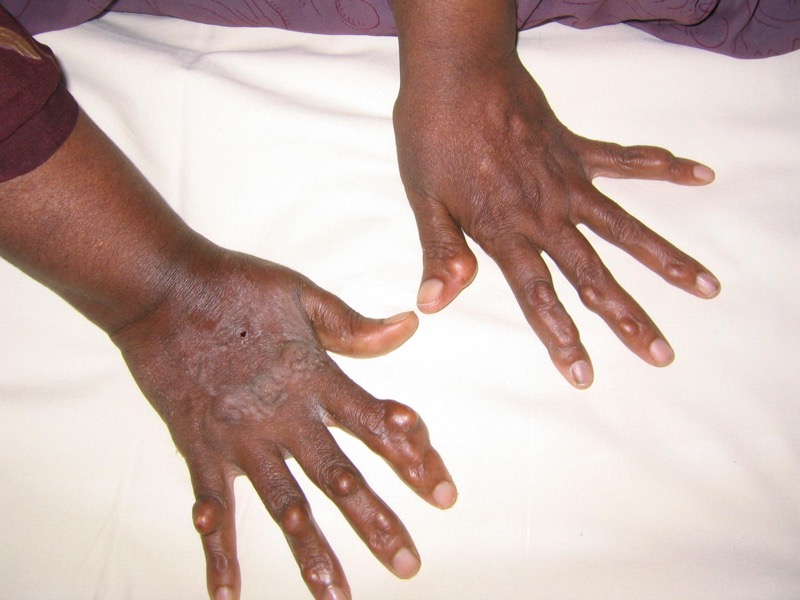
Xanthomas (FH)
Xanthomas
Tendon xanthomas: yellow-orange fat deposits on extensor tendons, especially the Achilles tendon and elbow. Pathognomonic for Familial Hypercholesterolemia (FH). Made of cholesterol-laden macrophages (foam cells).
Board shortcut: Xanthoma on Achilles or elbow = think LDL receptor mutation.
Xanthelasma
Yellow plaques on eyelids (periorbital). Associated with elevated LDL / hypercholesterolemia. Can occur with normal lipids, but in clinical practice = cholesterol problem.
White/grey ring around the cornea from cholesterol deposits. In people over 50: normal aging finding. In people under 40: pathologic sign of hypercholesterolemia, especially FH.
Age matters: young + arcus = alarming. Old + arcus = meh.
Familial Hypercholesterolemia
Familial Hypercholesterolemia (FH) is an autosomal dominant mutation in the LDL Receptor gene. The LDLR cannot bind ApoB-100 properly, so LDL cannot be cleared from blood.
Q
LDL Receptor mutation → what happens to serum LDL?
A
Massively elevated. LDL can't be endocytosed. Total cholesterol often 300-500 mg/dL in heterozygotes, 600-1000 in homozygotes.
Q
Do statins work in FH?
A
Partially. Statins upregulate LDL receptors, but if the receptors are broken, upregulating more broken receptors is limited. Homozygous FH is very hard to treat with statins alone. PCSK9 inhibitorsPCSK9 is the cholesterol bouncer that escorts LDL receptors off the liver cell surface for degradation. Block PCSK9, more receptors survive on the surface, more LDL gets cleared from blood. (block LDLR degradation) are now frontline for severe FH.
Board will try to swap xanthelasma and eruptive xanthomas. Location is the differentiator.
Section 7
clinical medicine Quiz
5 questions per load. Shuffled every time. Wrong-answer explanations walk you through the mechanism and clarify what to do next.
From the Attending
Cholesterol quiz patterns to expect: (1) "Best treatment to lower LDL" → statin (HMG-CoA reductase inhibitor). (2) "Statin side effect" → myopathy (worse with fibrates), hepatitis (LFTs), rare rhabdo. (3) "Mechanism of statin LDL-lowering" → upregulates hepatic LDL receptors (NOT direct synthesis block at LDL). (4) "Bile acid sequestrant" → cholestyramine, depletes bile acids → liver makes more from cholesterol → LDL down (but raises TG). (5) "PCSK9 inhibitor" → prevents LDL receptor degradation → more receptors stay on hepatocyte surface. Match the drug to the pathway step, not the lab number.
0/5
Well done. Review what you missed and reload for a new set.
Niacin raises HDL most of any drug. Warn about flushing: take aspirin 30 min before dosing. Fibrates also raise HDL modestly.
Statin + fenofibrate (not gemfibrozil, higher myopathy risk with statins). Alternatively, statin + omega-3s targets both. Monitor CPK if combining fibrate with statin.
Medically reviewed by Kaitlyn Cocuzzo, MD and Fatima Ali, DO
Bone Wizardry is an independent educational resource for visual learning in the medical sciences. It is not affiliated with, endorsed by, or sponsored by any licensing or examination board, contains no real or recalled examination questions, and does not guarantee any educational or examination outcome.
 Bone WizardryMEDICAL EDUCATION