Neuro exam localizer
PICA Wallenberg
Crossed pain-temperature loss plus dysphagia, hoarseness, Horner, vertigo, ataxia, and no limb weakness is lateral medulla. That is PICA.
Medically reviewed by Kaitlyn Cocuzzo, MD and Fatima Ali, DO
Before you scroll: A 67-year-old man develops vertigo, nausea, hoarseness, dysphagia, decreased gag reflex, ipsilateral facial pain and temperature loss, and contralateral body pain and temperature loss. Motor strength is preserved. Which artery is most likely occluded?
Anterior spinal artery
Posterior inferior cerebellar artery
Anterior inferior cerebellar artery
Basilar artery
Posterior cerebral artery
The crossed sensory pattern places the lesion in the brainstem, and the nucleus ambiguus signs localize it to lateral medulla. PICA hits lateral medulla and spares the corticospinal tract, so strength is preserved. AICA is one floor up in the pons and adds facial paralysis or hearing loss. Crossed pain-temperature + dysphagia/hoarseness + no weakness = PICA Wallenberg.
Brainstem floor check
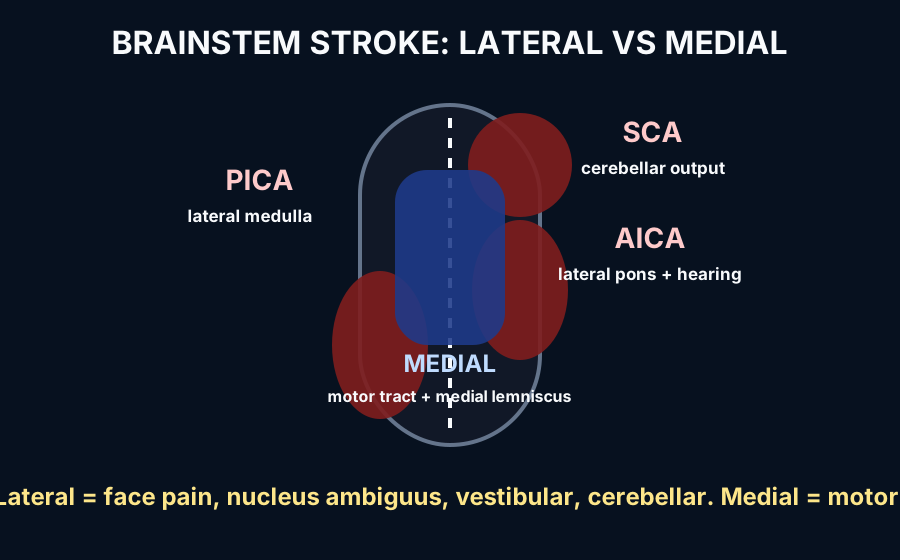
PICA vs Its Look-Alikes
The artery answer follows the level: medulla, pons, medial medulla, or cortex.
PICA AICA ASA Basilar/PCA
PICA Lateral medulla
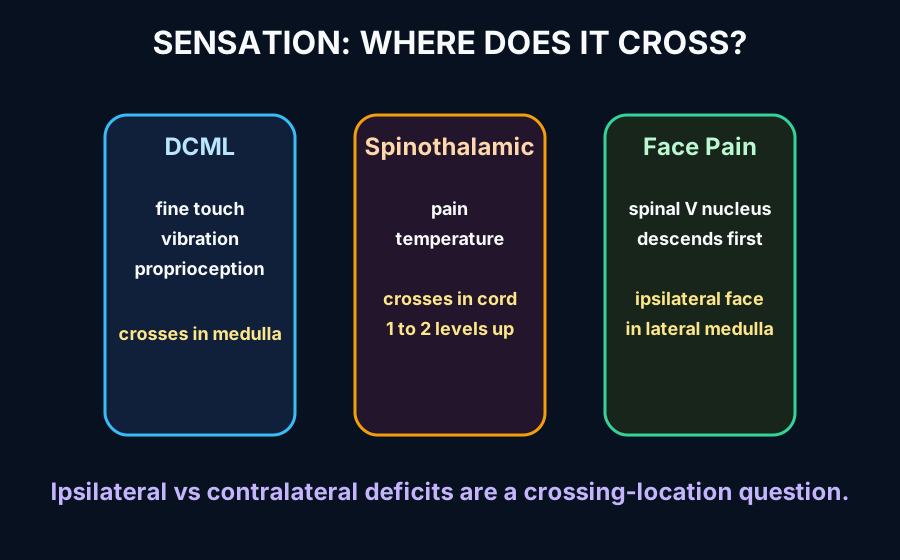
Signature Ipsilateral face pain/temp loss plus contralateral body pain/temp loss
Nucleus ambiguus Dysphagia, hoarseness, decreased gag
Other clues Horner, vertigo, nystagmus, ipsilateral ataxia
Motor Limb strength preserved
AICA Lateral pons
Adds Ipsilateral facial paralysis and hearing loss
Shared Vertigo, ataxia, crossed sensory loss can overlap
Level Pons, not medulla
Trap Hearing loss or CN VII palsy means switch from PICA to AICA
Anterior spinal artery Medial medulla
Motor Contralateral limb weakness
CN XII Ipsilateral tongue deviation
Sensation Contralateral vibration/proprioception loss
Trap Pain and temperature are usually spared
Basilar and PCA Pontine or cortical traps
Basilar Locked-in syndrome, quadriplegia, preserved awareness
PCA Contralateral homonymous hemianopia, visual cortex
Shared trap Posterior circulation label is too broad
Rule Name the level before the vessel
Board trap: Do not pick AICA just because vertigo and ataxia are present. AICA needs pontine CN VII or CN VIII clues.
Prev Next
Try a question on this topic A 67-year-old man develops sudden vertigo, vomiting, hoarseness, and difficulty swallowing. Examination shows left ptosis and miosis, decreased pinprick sensation over the left face and right limbs, left limb dysmetria, and right-beating nystagmus. Strength is full, and tongue protrusion is midline. MRI shows an acute infarct in the left lateral medulla.
Which of the following arteries is most likely occluded?
A. Left anterior spinal artery B. Left posterior inferior cerebellar artery C. Right posterior cerebral artery D. Left paramedian basilar artery E. Right superior cerebellar artery
Choose an answer before revealing the reasoning.
Get one of these every morning · Practice more in the QBank
Stroke switchboard
Find the Floor
Pick the clue. The readout names the level before it names the artery.
Which stroke territory owns this clue?
Dysphagia + hoarseness
Facial paralysis + deafness
Tongue deviation + weakness
Quadriplegia, awake, vertical eye movement
Homonymous hemianopia
Pick a clue. Start with cranial nerves and long tracts. Then add the artery.
Board trap: No weakness matters. PICA is lateral medulla and usually spares corticospinal motor fibers.
Prev Next
Two-gate discriminator
Decision Tree
Use the stem to choose the brainstem floor before you choose the named artery.
1
Are there crossed pain-temperature findings with face on one side and body on the other?
Yes. This is a brainstem lateral sensory pattern.
No. Think cortex, medial tract, or non-brainstem lesion.
2
Are dysphagia, hoarseness, or decreased gag present without facial paralysis or hearing loss?
Yes. Lateral medulla.
No. Facial paralysis or hearing loss points one level up.
Prev Next
Make it stick
Hooks and Images
The memory anchor is floor plus nerve: medulla swallows, pons hears and moves the face.
PICA
PICA cannot swallow
PICA owns lateral medulla and nucleus ambiguus. Hoarseness, dysphagia, gag loss, crossed pain-temperature.
Open memory cue
AICA
AICA adds ears and face
If the PICA-looking patient has hearing loss or facial paralysis, you moved up to the pons.
Open memory cue
ASA
ASA is medial motor
Weakness and tongue deviation are medial medulla. That is anterior spinal territory, not PICA.
Open memory cue
Brainstem vessels · tap to expand
Crossed sensory · tap to expand
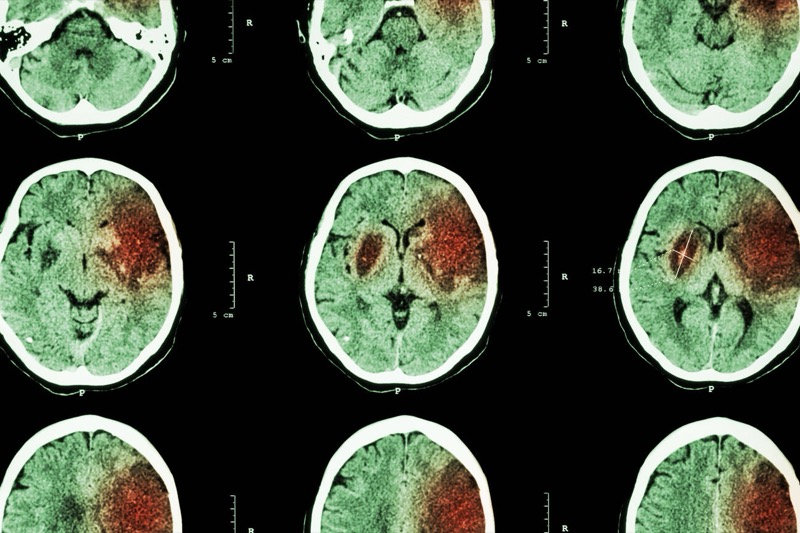
Stroke imaging · tap to expand
Prev Next
Board walkthrough
Prove It
One vignette at a time. Choices shuffle. The bank does not repeat until it is exhausted.
Vignette 1 Never-repeat tracking ready
Exam tools: right-click or long-press to cross out a choice. Double-click or double-tap to highlight one. Tools switch off after you answer.
Prev Next
 Bone WizardryMEDICAL EDUCATION