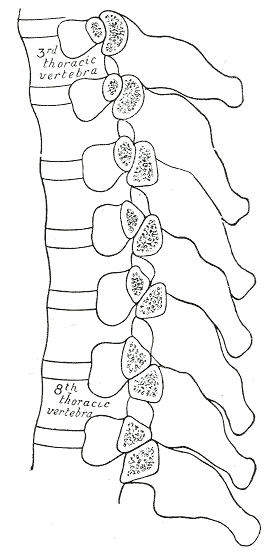
Posterior thoracic points are not one blob. You have to call out the exact address before you pick the setup: midline inferior-tip spinous process, inferolateral spinous process, or transverse process.
That is the whole page. Put your finger on the address first. Then the mnemonic stops fighting you.
Quick challenge:
A 27-year-old climber has focal tenderness just posterolateral to the right T6 transverse process. Neurologic exam is normal. Counterstrain drops the tenderness when the patient is extended, sidebent away, and rotated in one direction. Which rotation is expected?
Right. The transverse process is the side-wing address. For posterior thoracic TP points, the setup is extension, sidebend away, rotate toward. The all-E-SARA shortcut only survives if you forget the address.
Posterior thoracic split
Three Back Addresses
Click each address. The bony landmark decides the recipe before the level or side does.
Address 1
Midline inferior-tip SP
Centerline point at the inferior tip. No sidedness to chase.
Address 2
Inferolateral SP
Off the deviated spinous process. This is the E SARA spinous-process address.
Address 3
Posterolateral TP
Behind the transverse process. This is the rotate-toward address.
Anterior thoracic points
The Front Map
Anterior thoracic points are flexion points. The higher ones are sternum/rib-attachment addresses. The lower ones migrate down the abdominal wall.
AT1 to AT6: sternum lane
These points are on or near the sternum at the corresponding rib attachment level. They start as flexion-dominant setups, then get fine-tuned.
Address: sternum or just lateral to midline at the rib attachment.
Default idea: anterior point means flexion.
Board pressure: AT2 sits near the sternal angle. If the stem says angle of Louis, think AT2 and flexion.
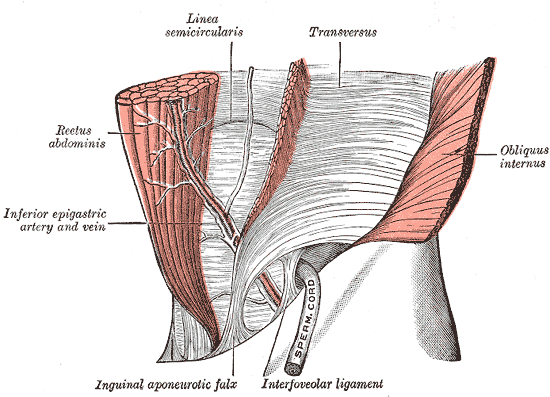
AT7 to AT11: rectus lane
These are abdominal wall points, usually about one inch lateral to midline in the rectus region. Now side matters.
Address: rectus abdominis region, right or left.
Setup: flex, sidebend toward, rotate away.
Why: fold the anterior abdominal wall toward the sore side while turning the torso away to slacken the point.
AT12: iliac crest lane
AT12 sits low, on the anterior superior surface of the iliac crest at the midaxillary line. The address moved from sternum to abdominal wall to pelvis-edge.
Address: anterior superior iliac crest region at midaxillary line.
Setup: flexion with sidebending toward and rotation away patterning.
Trap: it is still anterior thoracic because the tenderpoint numbering follows the segment, not your panic when you see the iliac crest.
Comparator
Sort The Rule
Tap the hidden cells to test yourself. The board trick is asking a posterior thoracic point without saying which posterior address it is.
Midline inferior-tip SP
Extension only. Minimal or no sidebending and rotation.
No side to chase because the point is centerline.
Inferolateral SP
Extension, sidebend away, rotate away. E SARA.
This is the spinous-process posterior thoracic rotate-away address.
Transverse process
Extension, sidebend away, rotate toward. E SART.
This is the posterolateral side-wing address.
A tender point is midline at the inferior tip of T5 spinous process. What do you add after extension?
A tender point is posterolateral to the right T7 transverse process. Which way does rotation go?
Memory hooks
Three Locks
Tap the blurred text. These are deliberately short because the exam stem is already noisy enough.
Centerline has no side
Unlock:Midline SP = extension only
If there is no left or right address, do not invent a left or right setup.
SP walks away
Unlock:Inferolateral SP = E SARA
Once the spinous process point is off-center, rotate away.
TP turns toward
Unlock:Transverse process = E SART
The side-wing point folds into slack when rotation goes toward it.
Thoracic vertebra region: use landmarks before mnemonics. Public domain.Sternum and ribs: AT1 to AT6 live in this upper anterior lane. Public domain.Rectus abdominis: AT7 to AT11 migrate into this lower anterior lane. Public domain.
Board-style walkthrough
Practice The Address
One vignette at a time. Right-click or long-press an answer to cross it out. Double-click to mark a choice without answering.
 Bone WizardryMEDICAL EDUCATION