Collagen Synthesis & Disorders
The most abundant protein in your body. When it breaks, bones shatter, skin tears, eyes turn blue, and kidneys scar. Know the synthesis pathway cold and you can work backward from any clinical presentation.
On this page
The Synthesis Pathway
Click any stage to see what happens and where diseases block the process.
Alpha chains are synthesized on ribosomes with the Gly-X-Y repeat. Glycine must occupy every 3rd position. Glycine is the only amino acid small enough to fit inside the triple helix core.
X and Y positions are often proline and lysine (later hydroxylated).
Board trap: In osteogenesis imperfecta, glycine is substituted by a bulkier amino acid. One substitution disrupts the entire helix.
Collagen is the only protein secreted in incomplete form. Every other protein leaves the cell fully processed. Procollagen exits with propeptides still attached. Those propeptides get cleaved extracellularly by procollagen peptidases. Once cleaved, you have tropocollagen, which self-assembles and cross-links. The whole unique feature of collagen is that its final construction happens outside the cell.
Collagen Types: SCAB Mnemonic
Board synthesis rule: Late wound healing uses Type I (highest tensile strength). Early wound healing uses Type III. Keloid scars = excessive Type I accumulation beyond the wound margin.
Myofibroblasts (not plain fibroblasts) are responsible for wound contraction. Plain fibroblasts do the initial matrix deposition.
Genetic Collagen Disorders
Osteogenesis Imperfecta
COL1A1/COL1A2 mutations impair triple helix formation.
Clue: blue sclerae + multiple fractures from minimal trauma
BITE mnemonic: Bones fracture, I (eye) = blue sclerae, Teeth = dentinogenesis imperfecta, Ear = conductive hearing loss
Ehlers-Danlos Syndrome
Faulty collagen synthesis of Type III (or others depending on subtype).
Clue: hyperextensible velvety skin + hypermobile joints + easy bruising
Vascular type: COL3A1 mutation, risk of arterial rupture and hollow organ perforation.
Scurvy
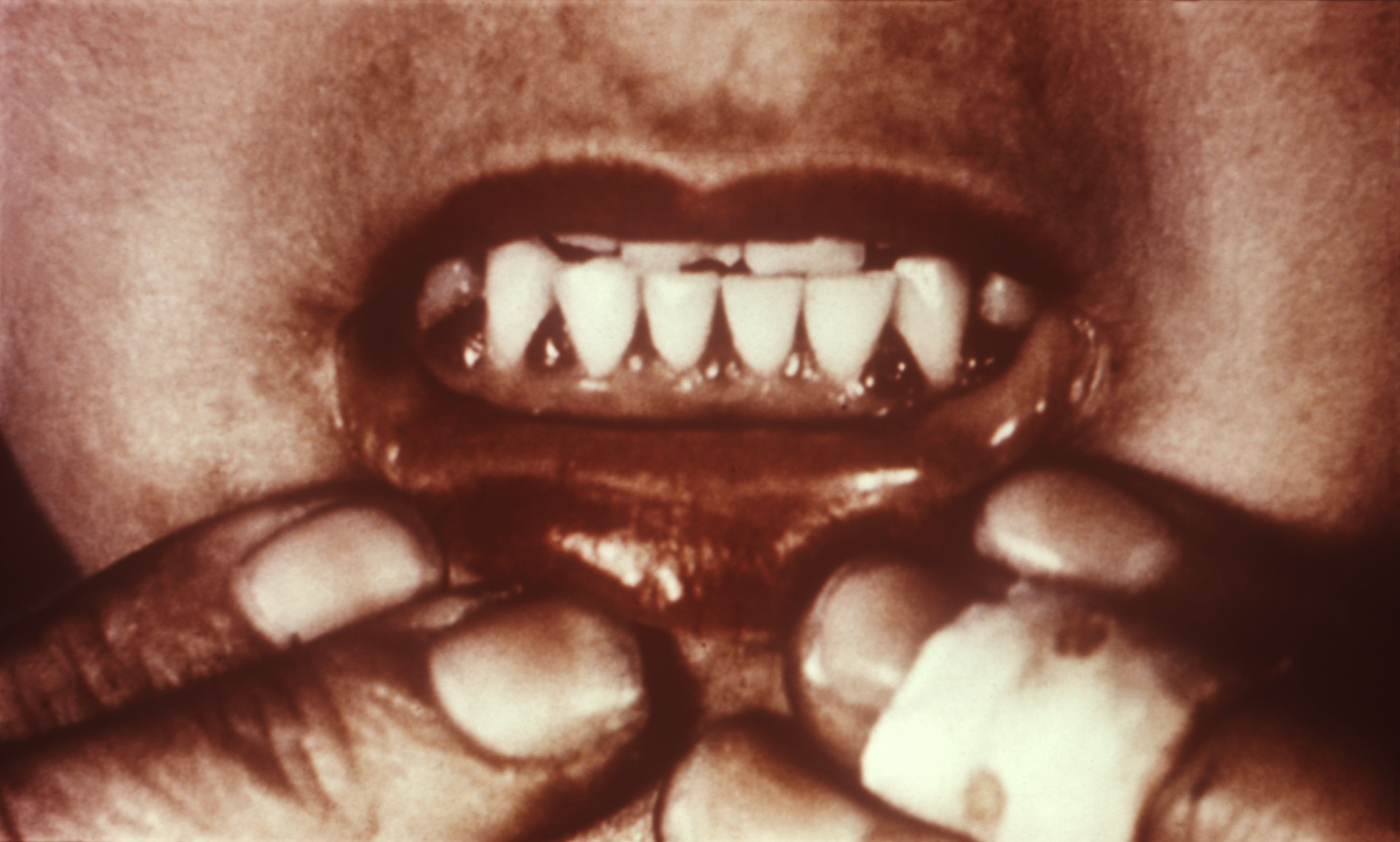
Vitamin C cofactor absent for prolyl/lysyl hydroxylase. Proline and lysine cannot be hydroxylated. Weak, unstable collagen results.
Clue: corkscrew hairs + perifollicular hemorrhages + bleeding gums + normal PT/INR
Menkes Disease
X-linked ATP7A mutation impairs copper absorption and transport. Copper cannot reach lysyl oxidase.
Clue: kinky steely hair + hypotonia + neurodegeneration in an infant boy
Serum copper and ceruloplasmin are low.
Alport Syndrome
COL4A3/COL4A4/COL4A5 mutations. X-linked (most common), autosomal recessive forms exist.
Clue: hematuria + sensorineural hearing loss + anterior lenticonus + family history
Electron microscopy: basket-weave pattern of the GBM.
Goodpasture Syndrome
Anti-GBM antibodies target the NC1 domain of the alpha-3 chain of type IV collagen.
Clue: hemoptysis + hematuria in a young male smoker + anti-GBM antibody positive
Smoking damages alveolar basement membrane, exposing the type IV collagen antigen.
Menkes vs. scurvy. Both break collagen cross-linking. Different step, different enzyme, different cofactor. Scurvy = no Vitamin C = hydroxylation step fails inside the RER = weak triple helix. Menkes = no copper = lysyl oxidase fails in the extracellular space = no cross-linking between fibrils. clinical practiceiners love this distinction. Scurvy patients bleed from hair follicles. Menkes infants have kinky hair and brain atrophy. Same downstream weakness, completely different mechanism and age of presentation.
Clinical Images



Disorder Comparison
Osteogenesis Imperfecta vs Ehlers-Danlos
OI: COL1A1/COL1A2 mutation. Glycine substitution unravels the triple helix. Blue sclerae (thin sclera reveals choroidal veins), brittle bones, dentinogenesis imperfecta, hearing loss. Autosomal dominant.
EDS (vascular): COL3A1 mutation. Defective reticulin in vessel walls and hollow organs. Hyperextensible velvety skin, joint hypermobility, risk of arterial rupture. Median lifespan ~48 years.
The split: Blue sclerae + fractures = OI. Stretchy skin + vessel fragility = EDS. Both are structural collagen defects, but they hit different collagen types and different tissues.
Scurvy vs Menkes Disease
Scurvy: Vitamin C deficiency. Prolyl/lysyl hydroxylase fails inside the rough ER. Triple helix is unstable. Corkscrew hairs, perifollicular hemorrhages, bleeding gums, normal PT/INR. Adults with poor nutrition.
Menkes: ATP7A mutation (X-linked). Copper cannot reach lysyl oxidase in the extracellular space. Cross-linking fails. Kinky steely hair (pili torti), hypotonia, neurodegeneration. Infant boys, low serum copper and ceruloplasmin.
The split: Both weaken collagen but at different steps. Scurvy = hydroxylation failure (intracellular, ER). Menkes = cross-linking failure (extracellular). Scurvy = adult bleeding. Menkes = infant neurodegeneration.
Alport Syndrome vs Goodpasture Syndrome
Alport: COL4A3/A4/A5 mutation. Hereditary. GBM cannot mature. Basket-weave on EM. Hematuria + sensorineural hearing loss + anterior lenticonus. Progressive to dialysis.
Goodpasture: Anti-GBM antibodies attack the NC1 domain of the alpha-3 chain. Acquired. Linear IgG on immunofluorescence. Hemoptysis + rapidly progressive GN in a young male smoker.
The split: Same collagen, opposite mechanisms. Alport = deficient (born with it, hearing loss). Goodpasture = attacked (acquired, pulmonary-renal syndrome, smoking exposes the antigen).
Diffuse Systemic Sclerosis vs CREST (Limited)
Diffuse SSc: Anti-SCL-70 (anti-topoisomerase). Widespread skin thickening (trunk + extremities). Interstitial lung disease (leading cause of death, 75%). Renal crisis with malignant hypertension.
CREST (Limited SSc): Anti-centromere antibodies. Calcinosis, Raynaud's, Esophageal dysmotility, Sclerodactyly, Telangiectasias. Pulmonary hypertension is the main killer.
The split: Anti-SCL-70 = diffuse, ILD kills. Anti-centromere = limited (CREST), pulmonary HTN kills. Both are fibroblast overactivation depositing excess Type I and III collagen.
Elastin note: Elastin lacks hydroxylysine (unlike collagen). Cross-linking uses desmosine. Alpha-1 antitrypsin inhibits elastase. Smoking inhibits alpha-1 antitrypsin, producing centroacinar emphysema (upper lobes). Alpha-1 antitrypsin deficiency causes panacinar emphysema (lower lobes).